Cross Stitch Graph Paper: A Craft Fair Designer’s Review
As an embroidery designer who spends every weekend setting up a booth at handmade markets, I am always looking for tools that bridge the gap between a quick digital asset and a finished product that stops shoppers in their tracks. Cross Stitch Graph Paper landed on my desk and I instantly saw its potential—not just as a printable grid, but as a secret weapon for creating cohesive, eye-catching products that sell. This review is from the trenches, where stitch quality, display appeal, and speed of production matter. If you sell tote bags, tea towels, aprons, or embroidered patches at craft fairs, this file might be the unsung hero of your next collection.
First Impressions: Clean, Versatile, and Ready for Customization
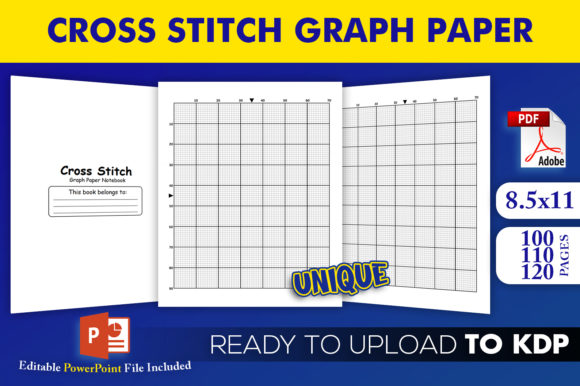
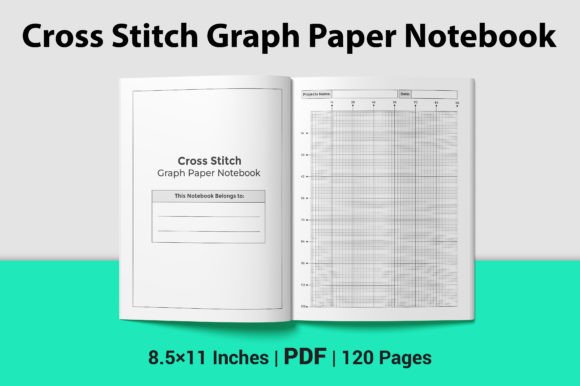
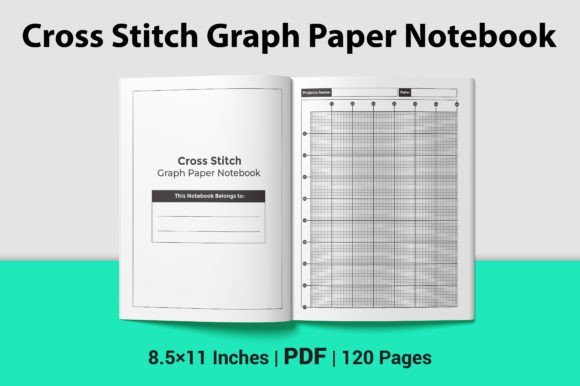
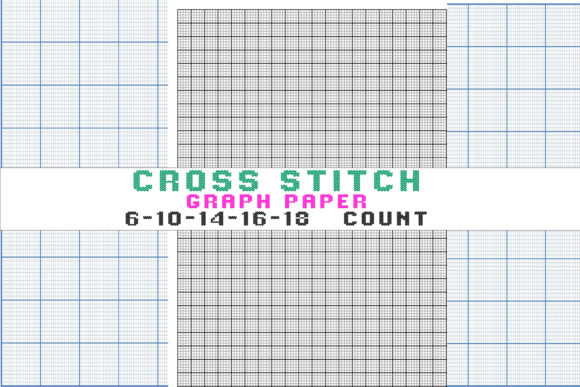
Opening the Cross Stitch Graph Paper download, I immediately felt that this was a design asset built for makers who think like business owners. The PDF is crisp, the included PowerPoint source file is a huge bonus, and the JPEG images give you quick reference and placement options. The grid itself is a classic cross-stitch layout—tiny squares that evoke handmade charm, nostalgia, and the kind of farmhouse-meets-modern aesthetic that dominates craft fairs right now. There is no unnecessary clutter, no forced decorative elements. It is minimal, clean, and utterly flexible. That matters because you can adapt it to a cute, rustic, festive, or even elegant product line simply by changing the colors, thread, and fabric you pair it with.
Because the file is editable, you can resize the grid, recolor it, or layer it with your own branding before printing. The fact that it is a KDP Interiors ready-to-upload PDF also means you could flip the script and sell this as a digital product on Amazon, but for our craft fair conversation, the real magic is in the physical goods you can create with it.
How Cross Stitch Graph Paper Elevates Handmade Products
The biggest mistake I see at craft fairs is a lack of visual consistency. A booth full of mismatched designs confuses buyers. Cross Stitch Graph Paper solves that instantly. When you print this grid onto fabric, it becomes a unifying pattern that ties your entire product range together. A tote bag printed with the graph paper and then embroidered with a single bold initial or a small floral motif turns into a premium handmade product. The grid itself acts as a subtle texture, giving the piece a crafted, textile feel even before you add the first stitch.
What I love most is that the graph paper pattern does not scream “digital.” It reads as hand-drawn, almost like a weaving or a hand-plotted design. That perception of handmade quality is exactly what customers at a craft fair are willing to pay more for. When your items feel personal and thoughtfully made, the perceived value jumps. Cross Stitch Graph Paper gives you that foundation without requiring hours of manual drafting.
Product-Specific Wins: Where This Grid Shines
Over the years, I have learned that certain products become the backbone of a profitable craft fair booth. I ran through my mental checklist of best-sellers and evaluated how Cross Stitch Graph Paper would perform on each one.
Tote Bags and Market Bags
A tote bag with an all-over cross-stitch grid pattern is a conversation starter. Use the graph paper as a full coverage print, then add a machine embroidery design in a contrasting color—a monogram, a simple bee, a heart. The grid guides the eye and makes the embroidery pop. For craft fair shoppers, that combination of printed fabric and stitched detail feels like a boutique item.
Tea Towels and Aprons
Kitchen textiles are impulse buys at handmade markets. Printing the graph paper onto a flour sack tea towel and then embroidering a small utensil or herb motif in one corner creates a charming, farmhouse look that sells consistently. The same principle applies to aprons, where the grid can border the straps or sit as a pocket accent. The design is subtle enough to let the embroidery shine but present enough to feel intentional.
Embroidered Patches and Small Pouches
For small items like patches or zip pouches, the graph paper becomes a whimsical backing. I tested printing the grid onto fabric, then cutting it into patch shapes, finishing the edges, and adding a tiny cross-stitched icon. The result was a patch that looked like a piece of a sampler—perfect for jean jackets and backpacks. The same concept works for fabric pouches and coin purses, where the grid doubles as a decorative lining or an exterior panel.
Pillow Covers and Home Decor
Throw pillows are a higher-ticket item at craft fairs. I found that Cross Stitch Graph Paper printed on linen-cotton canvas and then embroidered with a large-scale motif creates a stunning focal point. The grid gives the piece a sampler vibe that feels heirloom-quality. It photographs beautifully for Etsy listings and online shops, too, because the texture reads clearly even in thumbnail images.
Cap Embroidery and Curved Surfaces
I will be honest: a dense grid pattern covering an entire cap is tricky. Small lettering and tiny details can get lost on curved surfaces and textured fabrics. I recommend using the graph paper as a small accent on the side or back of the cap, paired with a larger embroidery file on the front. This avoids issues with stitch density and distortion while still bringing that cross-stitch charm into your accessory line.
Practical Production Notes for Embroidery Designers
Before you print a single sheet of fabric and head to your machine, there are a few reality checks that will save you time and materials. These are the notes I scribble in my design journal every time I test a new asset like Cross Stitch Graph Paper.
- Test on scrap fabric first. Printer settings, fabric type, and ink absorption will change the final look. Print a sample swatch and stitch over it before committing to a full run.
- Check thread contrast. The grid is usually black or dark gray. If you use a very light embroidery thread, the design may disappear. Choose thread colors that visibly contrast with the printed grid.
- Review spacing and hoop size. The editable PowerPoint file lets you resize the grid. Make sure the squares are large enough for your embroidery stitches to sit inside without becoming a messy blob. For larger hoop sizes, you can scale the grid up; for tiny patches, consider simplifying the grid or using it only as a border.
- Inspect stitch density. If you plan to embroider over the graph paper, your machine embroidery design must not be too dense. Dense stitching over a printed grid can cause puckering, especially on thin fabrics. Use a lighter underlay and a cutaway stabilizer to keep the fabric stable.
- Use the right stabilizer. For tea towels and tote bags, a tear-away stabilizer works well. For stretchy fabrics like caps or pouches, use a cutaway stabilizer. Test with the exact fabric you plan to sell.
- Create at least one real mockup. A printable mockup from the JPEG files is great for your Etsy shop, but a physical sample is non-negotiable for craft fairs. Seeing the product in person lets you evaluate texture, drape, and how the design catches light.
- Compare fabric colors. The grid design looks crisp on light to medium fabrics. On dark fabric, the printed lines may not show well unless you use a white or light ink printer. If you plan to sell on dark backgrounds, test a sample before committing to inventory.
- Confirm commercial licensing. The product description states you get a ready-to-upload PDF and editable source files, but it is always wise to check the exact terms of use. Make sure you are allowed to create physical products for sale at craft fairs and on Etsy. Typically, Graphics assets purchased for KDP use include permissions for personal and small business use, but always verify before selling finished products.
Display and Photography: Making Your Booth Stand Out
At a craft fair, your booth has about three seconds to attract a customer. Cross Stitch Graph Paper products have a natural advantage: they photograph beautifully. The grid adds texture and pattern that shows up even in a busy fairground photo. I recommend grouping products with the same grid pattern together—a tea towel next to a matching tote bag, a pillow cover draped over a chair. This creates a cohesive brand story that makes your booth look curated and professional.
For online shops, the JPEG images included in the download can be used to create digital mockups. I often layer the graph paper onto a blank tote bag template in a design software, place my embroidery file on top, and instantly have a listing photo that looks clean and commercial. The PowerPoint file is especially handy for adding text, pricing, or branding elements before sharing on social media.
Careful-Use Notes for Best Results
As much as I love this design asset, there are a few scenarios where you need to be extra careful.
- Dense stitch areas can overwhelm the grid. If your embroidery design has high stitch density, the printed grid underneath may become distorted or cause the fabric to buckle. Use a lighter stitch design or leave the grid as a background without embroidery on top.
- Tiny details and small lettering. On curved cap surfaces or textured towels, tiny grid squares and small lettering can lose clarity. Stick to larger, simpler motifs for those products.
- Thick fabric and textured towels. The grid may not print cleanly on highly textured or thick fabrics. Smooth cotton, linen, and canvas are your best friends.
- Dark fabric. Unless you have a printer that handles white ink, the grid will be invisible on dark backgrounds. Reserve this design for light and medium fabric tones.
Final Thoughts: A Must-Have Tool for Craft Fair Sellers
After working with Cross Stitch Graph Paper across multiple product types, I can confidently say it belongs in the toolbox of any embroidery designer who sells at craft fairs, Etsy, or handmade boutiques. It is not a finished embroidery file; it is a launchpad. The editable nature of the PowerPoint file and the instant PDF download mean you can move from idea to sample in an afternoon. The grid pattern brings a timeless, handmade feel to everything from tote bags to kitchen towels, and it photographs so well that your booth and online listings will look cohesive and inviting.
If you are a small shop owner, a digital embroidery file creator, or a boutique maker looking for a design asset that adds instant craft personality, give Cross Stitch Graph Paper a test run. Grab your scrap fabric, check your thread contrast, and make one real sample. I have a feeling you will find it as versatile and sale-boosting as I did.