Cross Stitch Graph Paper Notebook for Personalized Gift Planning
As an embroidery designer who runs a small personalized gift shop, I’m always searching for tools that help me translate a customer’s vision onto fabric. When I first opened the Cross Stitch Graph Paper Notebook, I felt a wave of nostalgia mixed with practical excitement. The clean, grid-based layout is exactly what I need to sketch out cross-stitch motifs before I digitize them into a machine embroidery design. This notebook isn’t just paper—it’s a bridge between a heartfelt idea and a finished product like a baby blanket, wedding keepsake, or embroidered towel. It arrived as a straightforward digital download from the Kdp Interiors category, and I could instantly print the PDF in my studio. The mood it evokes is modest and handmade, yet it’s versatile enough for elegant wedding monograms or playful baby animal patterns. I’ve used it to plot out everything from delicate lettering for a pillow cover to bold motifs for a tote bag, and it has quickly become a staple in my pre-production workflow.
First Impressions of This Cross Stitch Notebook
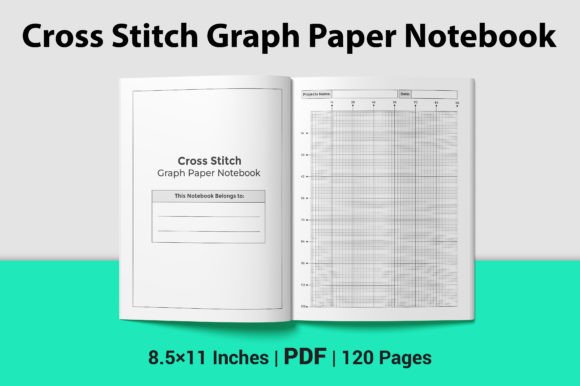
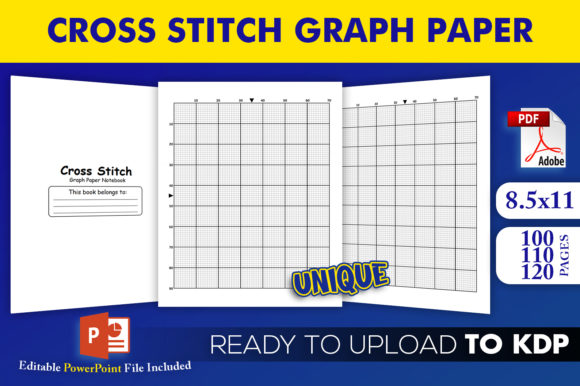
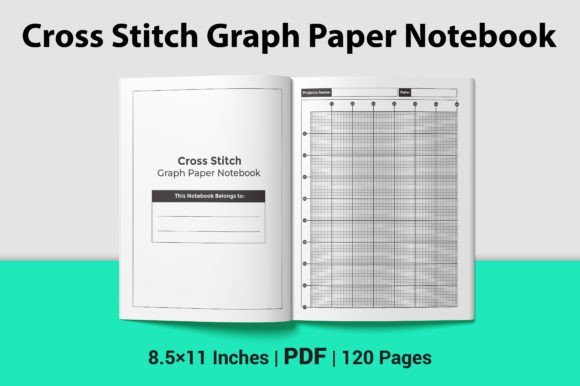
The moment I downloaded the Cross Stitch Graph Paper Notebook from the Graphics collection, I appreciated its simplicity. The 8.5×11-inch dimensions are standard, making it easy to print at home or use on a tablet. With options for 100, 110, or 120 pages, there’s plenty of room to experiment without feeling overwhelmed. The no-bleed format means every grid square is contained, which is perfect for precision planning when I’m mapping out a custom embroidery project. The paper weight feels substantial in my printer, and the crisp lines remind me of traditional cross-stitch fabric. I love the subtle charm it brings to my design process—it’s not flashy, but it’s incredibly functional. For a small shop product, this notebook helps me think like a crafter and an artist simultaneously, which is essential when I’m preparing to stitch a personalized gift for a customer.
Planning Personalized Gifts with Cross Stitch Graph Paper
In my shop, custom orders are the heart of the business. Customers often ask for embroidered gifts that feel unique—like a namesake blanket for a newborn or a couple’s initials on a kitchen towel. The Cross Stitch Graph Paper Notebook allows me to mock up these ideas quickly. I can test thread colors, adjust stitch density, and map out hoop-friendly layouts before a single needle drops. This proactive approach saves fabric and thread, but more importantly, it builds confidence in the final product. I’ve used it to plan a personalized gift for a baby shower, a wedding gift for a close friend, and even a set of embroidered aprons for a small bakery. Each time, the notebook helped me communicate the design to the client, turning a vague idea into a tangible preview. It’s a tool that elevates the entire experience, from the first sketch to the finished product.
Baby Embroidery and Nursery Keepsakes
For baby items, softness and clarity are key. I’ve used the notebook to design sweet, small-scale patterns for onesies, bibs, and nursery decor. The grid helps me ensure that tiny lettering won’t blur together on stretchy fabric—a common issue with baby embroidery. A recent project involved a custom blanket embroidery with a cross-stitched name and birth date. By sketching it in the Cross Stitch Graph Paper Notebook, I could email a preview to the client, which sealed the sale. The emotional appeal of a planned, handmade product is undeniable—parents see the care before the item is even stitched. I also use it to design matching nursery decor, like a pillow cover with a gentle animal motif, always keeping the hoop size in mind as I work on the grid. For Etsy sellers specializing in baby gifts, this notebook is a game-changer for creating listings that feel warm and intentional.
Wedding Gifts and Family Heirlooms
Wedding embroidery demands a touch of romance and timelessness. I’ve turned to the notebook for designing monograms on linen handkerchiefs, ornate borders for pillow covers, and anniversary keepsakes. The grid paper lets me balance intricate details with fabric texture, ensuring that a dense stitch design won’t pucker on a delicate silk gift. Recently, I used it to plan a set of embroidered towels for a bride’s trousseau, and the cross stitch graph paper layout made it easy to align the monogram perfectly. For family heirlooms, I often sketch multi-generational patterns, and the notebook becomes a keepsake in itself. When I sell these as handmade products on Etsy, I include a scanned copy of the sketch with the order, which customers adore. It adds a layer of storytelling that boosts the perceived value and emotional connection of the finished piece.
Where to Use This Notebook Carefully
While the Cross Stitch Graph Paper Notebook is a fantastic planning tool, it’s not a substitute for real-world testing. I’ve learned to be cautious with certain applications. Here’s where I double-check my plans before committing to stitch:
- Small lettering: The grid helps, but I always stitch a sample on scrap fabric to avoid illegible results on a personalized gift.
- Delicate details: Thin lines may look crisp on paper but could vanish on textured fabrics like a thick embroidered towel.
- Stretchy baby clothes: The notebook can’t account for fabric movement; I use a stabilizer and test on a similar material before stitching a onesie.
- Dark fabric: Thread color contrast is critical. I mock up both light and dark backgrounds in the notebook to visualize the outcome, but I still recommend a test stitch for machine embroidery design on dark surfaces.
- Products washed frequently: A dense design planned on paper might need adjustments for durability on items like kitchen towels or aprons. I often reduce stitch density after seeing how the fabric wears over time.
These precautions aren’t flaws of the notebook—they’re part of the embroiderer’s craft. The Cross Stitch Graph Paper Notebook gives me a starting point, but the final product always benefits from a stitched sample. I advise any small business owner to build this checking step into their workflow, especially for custom embroidery orders that will be cherished for years.
How This Notebook Boosts Giftability and Customer Trust
In the personalized gift business, perceived value is everything. When I use the Cross Stitch Graph Paper Notebook to create a clean, annotated design sketch, I can share it with a customer as part of the order process. This simple step builds immense trust. They see the layout, the thread colors, and the approximate size—all before committing to a purchase. For wedding gift designers or baby product creators, this transparency elevates a simple embroidered towel into a cherished keepsake. The notebook also helps me stage product photography. I can style the sketch next to the finished item, emphasizing the handmade journey from concept to completion. This kind of visual storytelling increases buyer engagement on Etsy listings and at craft fairs. A handmade product that comes with a story—and a preview—sells faster and at a higher price point, which is a direct benefit for any Etsy seller or small shop.
Practical Embroidery Notes from the Worktable
Over the years, I’ve developed a checklist when using any planning tool, and the Cross Stitch Graph Paper Notebook is no exception. Here’s what I recommend to any embroidery designer or crafter before they finalize a digital embroidery file or start stitching:
- Test on scrap fabric: Always stitch a sample of your planned design to check for distortion or thread breaks. Don’t rely solely on the notebook grid.
- Check thread color contrast: What looks good on white paper may not pop on a cream blanket. Use the notebook to explore color combinations, but verify with actual thread swatches.
- Confirm hoop size: Ensure your sketched design fits within your machine’s hoop dimensions. The 8.5×11-inch paper is a perfect canvas for multiple hoop sizes, but measure carefully.
- Review stitch density: Dense areas on paper can become stiff on fabric. Adjust in your embroidery software based on the notebook mockup, especially for a pillow cover or blanket embroidery that needs to remain soft.
- Use proper stabilizer: The notebook can’t prescribe stabilizer types, so match it to your fabric—a tear-away for sturdy weaves, a cut-away for knits. This is crucial for baby embroidery on stretchy garments.
- Compare light and dark fabric mockups: Shade a few grid squares to simulate different backgrounds. This helps when planning a custom embroidery on a tote bag or dark apron.
- Check small details after stitching: A loop or letter may look fine on the grid but could close up in thread. Verify with a test run, especially for personalized gifts with tiny names.
- Confirm commercial licensing: Before selling finished products, ensure your embroidery file usage aligns with the notebook’s terms. Since this is a Kdp Interiors Graphics product, check the license for derivative works. The product description mentions a download instantly with PDF formats ready to upload on KDP, but it’s wise to review any use restrictions for commercial embroidery.
The Cross Stitch Graph Paper Notebook itself is a digital download with dimensions 8.5×11 inches and pages 100 110 120 pages options, all with no bleed. I appreciate that I can choose the page count based on how many projects I’m juggling. The instant download is a relief for a busy small shop owner—I don’t have to wait for shipping or hunt for a store-bought pad. It’s a simple printable mockup tool that keeps my design process organized and efficient.
Final Thoughts on the Cross Stitch Graph Paper Notebook
After using this notebook in my workflow for weeks, I’m convinced it belongs in every embroidery maker’s toolkit. It bridges the gap between a customer’s vague idea and a tangible, beautiful personalized gift. Whether you’re an Etsy seller crafting wedding favors, a baby product creator plotting nursery decor, or a craft fair vendor designing tote bags and aprons, the Cross Stitch Graph Paper Notebook helps you work smarter. The emotional connection it fosters—through previews, careful planning, and an artisanal approach—directly translates into higher customer satisfaction and repeat business. I’ve noticed that my finished product feels more intentional, and my clients are more confident in placing orders.
One thing I’d advise: treat this notebook as a collaborator, not a conqueror. It shines when paired with your embroidery expertise. The grid can’t test fabric tension or thread sheen, but it can organize your creativity and streamline your pre-production process. For a small investment, it’s a practical asset that elevates the handmade quality of every custom embroidery piece you create. If you’re ready to enhance your design planning, download the Cross Stitch Graph Paper Notebook from the Kdp Interiors category. It’s a Graphics type product that’s simple, effective, and surprisingly indispensable for a commercial embroidery business. Just remember to always test your designs on real fabric—the notebook is the start of the journey, but your stitch-out is the true destination.