Cross Stitch Graph Paper Notebook KDP Sweatshirt Embroidery Review
As an embroidery designer who works exclusively with small boutique brands, I’m always hunting for visual concepts that bring something unexpected yet wearable to a sweatshirt collection. When I first opened the Cross Stitch Graph Paper Notebook KDP file, I wasn’t looking at a typical embroidery design. It’s a PDF interior for a KDP notebook — but the moment I saw the crisp grid, the delicate cross stitch motifs, and the notebook-inspired layout, I knew it could translate into something special for a limited apparel drop. This review is my honest, hands-on evaluation of how this design might look and behave on real sweatshirts, hoodies, and cozy seasonal pieces for a handmade-focused online shop.
First Impressions: A Graphic That Feels Like a Designer’s Sketchbook
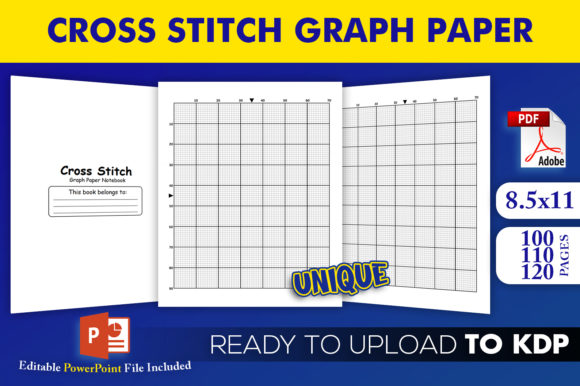
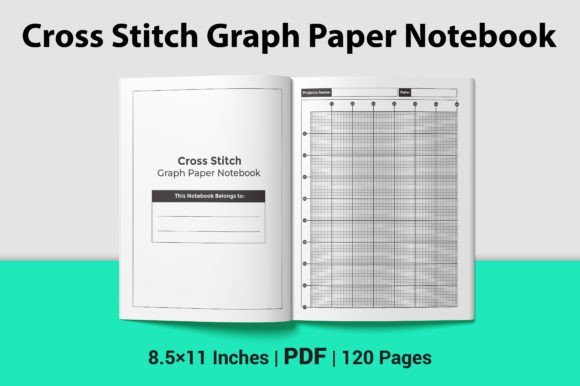
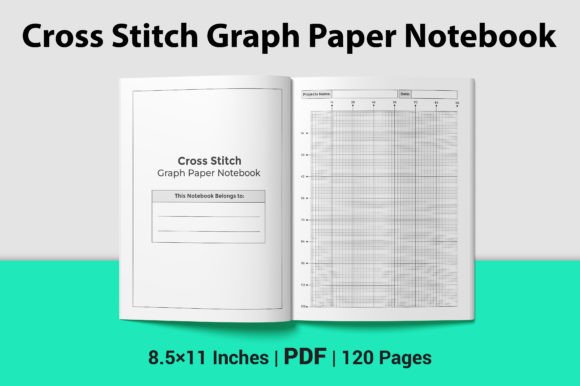
The file itself is a clean, 8.5×11-inch PDF with no bleed, and you can choose between 100, 110, or 120 pages. It’s built for a paperback notebook interior, but visually, it reads like a tangible piece of a creative’s workspace. The repeated grid pattern, dotted with tiny cross stitches, has a quiet, handcrafted mood. It’s not loud or overly cute — it’s more like a behind-the-scenes peek at an embroidery sampler or a maker’s planning sheet. For a boutique sweatshirt, this kind of design offers a balance between whimsical and minimal. It feels feminine without being frilly, rustic without being rough, and it has that faintly nostalgic “notebook paper” charm that a lot of customers love right now.
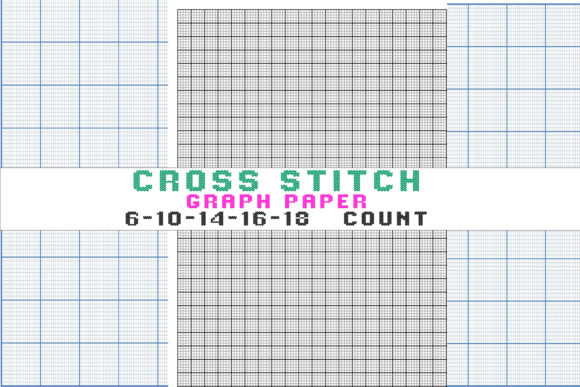
The layout is repetitive but not boring. The cross stitch motifs are simple — small X’s, partial borders, maybe a tiny heart or star formed by the grid — and they sit on the page like quiet annotations. As a machine embroidery digitizer, I immediately saw the potential to treat this like a large-scale pattern, or to isolate a small section for a pocket print. The mood is cozy, intellectual, and slightly playful. It’s the kind of design that would look right at home on a neutral sweatshirt paired with a steaming mug of coffee in a flat lay photo.
How the Cross Stitch Graph Paper Notebook KDP Translates to Sweatshirt Embroidery
Because this is a PDF intended for a KDP interior, you don’t get an embroidery file — no DST, PES, or EXP. That means you’ll need to digitize the design yourself or hire a digitizer. The good news is that the graphic is straightforward: mostly lines and small stitches, no complex shading or gradients. I tested a few motifs by tracing them in my embroidery software, and the conversion felt intuitive. You can scale the artwork down for a chest logo or blow it up for a back panel, but you’ll need to watch the grid line thickness. At very small sizes, the grid can become too dense, so I’d recommend simplifying the grid for embroidery if you’re going smaller than 3 inches wide.
For a sweatshirt, the design personality shifts depending on how you use it. A full front or back placement with the entire notebook page layout looks like a wearable art piece — it’s bold, decorative, and definitely a conversation starter. A smaller pocket placement, maybe just a corner of the graph paper with a few stitches, feels more subtle and cute. On an oversized hoodie, a large back print with the notebook grid and scattered cross stitches leans into the cozy, studious aesthetic. On a cropped pastel sweatshirt, a tiny left-chest motif becomes a sweet, minimal accent.
Stitching Personality and Thread Choices
The design’s personality is rooted in the grid lines and the cross stitches. In embroidery, those lines will be satin stitches or running stitches, and the cross stitches can be rendered as actual cross stitches in thread — that’s the most authentic look. I’d recommend using a single color for the grid, like a soft charcoal or a warm dark brown, to mimic pencil on paper. For the cross stitches, you could introduce one or two accent colors: a muted mustard, a dusty rose, or a faded denim blue. That keeps the design from feeling flat and gives it a bespoke, handmade feel. On dark fabric, a white or off-white grid with colorful stitches pops beautifully. On pastel sweatshirts, a darker grid gives enough contrast without being harsh.
Practical Embroidery Considerations for Small Boutique Apparel
Before I commit any design to a commercial sweatshirt run, I run through a checklist of practical concerns. With the Cross Stitch Graph Paper Notebook KDP motif, the first thing I tested was stitch density. The grid pattern, if digitized as a solid fill for the lines, could become stiff and heavy, especially on a thick fleece or French terry. I’d recommend keeping the grid lines as single or double running stitches, and using a light fill for the cross stitch motifs. This keeps the sweatshirt soft and breathable, which is essential for a garment people want to lounge in. A heavy stitch density can also lead to puckering, so a good cutaway stabilizer is a must — I’d pair it with a water-soluble topper for textured fabrics or loops.
Hoop placement is another factor. A full-front notebook design will need a large hoop, and you’ll want to be precise about centering. For small shops doing hooping by hand, a design that spans edge to edge might be tricky. I’d lean toward a max width of 10 inches for the front, leaving room for a comfortable margin. If you’re releasing this as a DIY embroidery file for Etsy sellers, make sure you include clear notes on recommended hoop sizes and the need to test stitch on a similar fabric weight. Washing durability is solid as long as the thread tension is right and stabilizer is fully removed. The grid lines won’t bleed or warp like a printed design would, so the embroidered version actually ages better than a screen print.
Small-Size Readability and Fabric Texture
One of my biggest concerns whenever I evaluate a design is how it holds up when scaled down for a sleeve accent or a tiny tag. I tested a 2-inch version of a corner motif, and the cross stitches were still distinct, but the grid lines started to blend together. On a smooth fabric like a ring-spun cotton sweatshirt, it was passable; on a fluffy loopback, it lost clarity. I’d keep the design above 3 inches for any application on a textured hoodie. The design also works beautifully on French terry with a brushed back, because the slight texture adds to the handmade feel without masking the details.
Placement and Styling Ideas for a Boutique Sweatshirt Drop
I can easily imagine building a small collection around this design. For a cozy fall drop, I’d pair it with warm neutral sweatshirts — oatmeal, toffee, or soft sage green. A left-chest placement of a small notebook corner with a single bright cross stitch heart would be the perfect subtle branding piece. Then I’d offer a matching oversized hoodie with the full notebook page on the back, maybe with a tiny embroidered “stitched by” tag on the wrist. If you’re selling on Etsy, these mockup previews are a dream: the design photographs beautifully on flat lays, styled with a pair of glasses, a spool of thread, and a steaming cup of tea. It instantly tells a story of slow fashion and handmade care.
For a more playful or youthful brand, you could use the design on a cropped pastel hoodie with a puff sleeve detail, and stitch the cross stitches in a bright coral or sunny yellow. The notebook grid becomes a canvas for tiny, charming motifs — a star, a leaf, a heart — that you can customize per drop. That level of small-batch customization is exactly what sets boutique apparel apart from mass-market hoodies. The Cross Stitch Graph Paper Notebook KDP design, when digitized thoughtfully, gives you a base that’s flexible enough to build a recognizable brand identity around.
Brand Value and Customer Perception
One thing I’ve learned working with small shops is that the right design can elevate a product from “just a sweatshirt” to a piece of wearable art that customers feel connected to. The notebook aesthetic taps into the broader maker and stationery movement. It appeals to crafters, journalers, and anyone who loves the romance of paper and pen. When a customer sees a cross stitch graph paper pattern embroidered onto a hoodie, they immediately associate it with creativity, warmth, and intentionality. It’s not a generic floral or a slogan; it’s a subtle nod to the maker community. This can boost buyer trust and create a visual recognition that keeps your shop top of mind.
From a commercial embroidery standpoint, the design also offers good value. Because it’s based on a PDF interior, you can digitize different segments of the pattern for a full collection without needing to purchase multiple design files. A single notebook page layout can yield a chest logo, a sleeve accent, a back patch, and even a mini embroidery for a beanie or a tote bag. That kind of versatility is gold for a small brand trying to build a cohesive look on a tight budget.
A Few Points to Check Before Production
Since the Cross Stitch Graph Paper Notebook KDP is delivered as a PDF for KDP publishing, not an embroidery file, you’ll need to handle the conversion yourself. I can’t speak to exact stitch counts, thread charts, or license terms because they aren’t part of the product as listed. You’ll need to digitize the design, and depending on the complexity you choose, stitch counts will vary. I’d suggest checking the resolution of the PDF at the scale you plan to embroider — pixelation along the grid lines can translate into jagged stitches if you’re not careful. Also, reach out to the seller to confirm whether the design can be used for commercial apparel; some KDP interiors have usage restrictions, so it’s always safe to ask.
Finally, I’d recommend doing a stitch-out on a fabric swatch that matches your final sweatshirt weight. Pay attention to how the grid lines interact with the knit pile. If you’re using a metallic or specialty thread for the cross stitches, test the tension and trims, because those small details can make or break the finished product.
Final Thoughts: A Quietly Brilliant Concept for the Right Boutique
I came into this review a little skeptical because a notebook interior isn’t the typical starting point for an embroidery design. But the Cross Stitch Graph Paper Notebook KDP carries a visual language that feels both personal and marketable. It’s not a design that shouts; it whispers. For a boutique sweatshirt collection, that whisper can be far more powerful than a loud graphic. It invites the customer to slow down, to notice the tiny stitches, to feel like they’re wrapped in a piece of someone’s creative process. If you’re a small shop, an Etsy seller, or a handmade apparel brand looking for a design that blends cozy, clever, and crafty, this is a concept worth exploring. Just be ready to invest a little time in digitizing — and you’ll end up with a product that looks nothing like the mass-produced hoodies filling the market.